
Racing Meets Runway
F1. Formula or Fashion?

Over the past five years, the Formula 1 paddock has shifted from pit lane to front row. No longer just a high-octane sport for the speed obsessed, F1 has emerged as a formidable global fashion platform, where drivers double as influencers, investors, and collaborators with some of the world’s most coveted brands.

Of course, none of this happened overnight.
The championship, sanctioned by the Fédération Internationale de l’Automobile, first roared to life in 1950.
Since then, it has crowned the world’s fastest drivers, each alone on the grid, but backed by racing dynasties like Ferrari, Mercedes, McLaren and Aston Martin.
This format reinforces the sport’s duality: individual glory powered by vast teams of talent and technology.
How F1 works: a luxury team sport in disguise
While drivers may be the stars of the show, behind every victory is a team of around 1,000 engineers, strategists, designers, and pit crew.
Each competing not just for the drivers’ title, but also for the Constructors’ Championship, which focuses on the overall performance of a team based on the combined points scored by their drivers.
It is here that branding, sponsorship and team identity collide, making F1 one of the most commercially sophisticated sports on the planet.
Every team is a rolling showcase of luxury partnerships, and every driver a real-life mannequin of luxury clothing and accessories.
Yet it was not until Netflix’s Drive to Survive debut in March 2019 that F1 was reintroduced to a truly global, mainstream audience.
The profound impact of Drive to Survive
The documentary series did what decades of highlight reels and trackside journalism unfortunately could not: it humanised the drivers, exposed the high-stakes politics behind the paddock gates, and offered unprecedented behind-the-scenes access.
Now clocking its seventh season, the series continues to deliver an annual dose of intrigue, documenting storylines through intimate interviews, dramatic race footage and strategic retrospectives.
The series helped trigger a seismic shift in the sport’s cultural cachet, with its influence reverberating across other sports and streaming platforms.
In its wake, nearly every major sport has launched its own version: tennis delivered Break Point, rugby union has Six Nations: Full Contact, golf teed up Full Swing, cycling has Tour de France: Unchained, American football added both Quarterback and Receiver, basketball has Starting 5, and athletics now boasts Sprint.
Few would dispute that Drive to Survive pioneered the format that so many have since adopted.
While F1 was already a global sport with a loyal fan base, its star drivers once watched by European aristocracy in Monaco and beyond, the Netflix series unlocked new demographics.
Many of these new fans came not for the technical intricacies of tyre compounds or DRS zones, but for the personalities, the drama and the unmistakable glamour of the F1 world.
Why fashion brands now love Formula 1
Luxury brands are not flocking to F1 by chance. The sport offers a rare global stage where precision engineering meets curated design. With more than 20 races each season spanning the world’s wealthiest cities and style capitals, Formula 1 delivers the perfect platform for brands chasing glamour.
Today’s F1 fandom skews younger, more female, and more international than ever before, with many of them discovering the sport via social media rather than traditional race coverage.
Entry to this rarefied world has always required wealth - whether as an individual, team, or lucky guest. A Paddock Club pass costs more than a five-star holiday and an official team watch is often priced well into five figures.
However, the social media era has shifted the game.
TikTok clips from the weekend go viral in seconds. Fan-made memes and montages dominate Instagram and YouTube. Drivers who were once media trained to offer little more than corporate soundbites now find their personalities, and their personal brands, matter more than ever.
It is no accident that today’s F1 stars wear designer watches, step straight from the cockpit to fashion shoots, and fidget in interviews to keep their sponsors happy.
Video: serotonindigital on TikTok
From the James Hunt and Niki Lauda champagne-drenched 1970s to today’s slick, hyper-curated paddock, F1 has always evolved with the times and always had an undeniable charm.
But in an age where every sport is entertainment and every athlete is a star, Formula 1 finds itself uniquely positioned.
Drivers leading the style grid
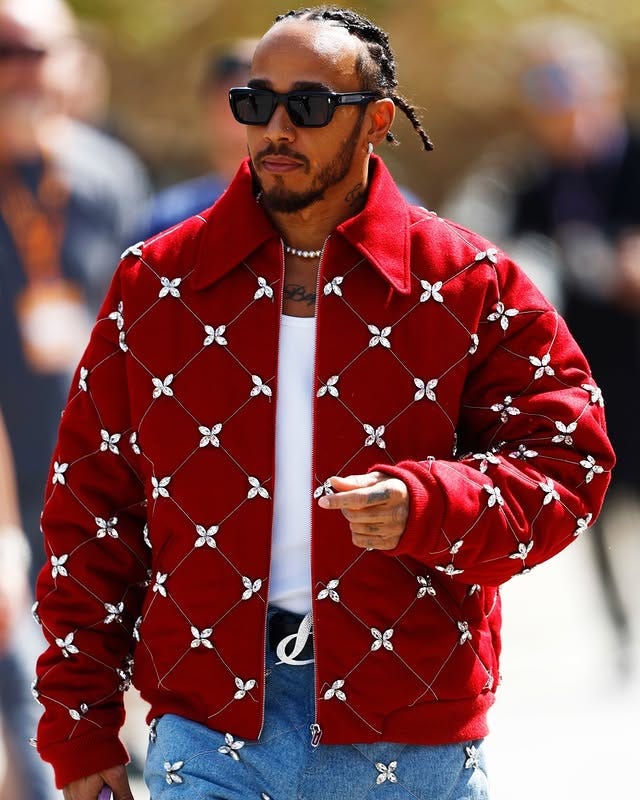
At the forefront of this shift is Lewis Hamilton: F1’s most fashion-forward driver and a familiar face at Paris Fashion Week.
Far from a mere guest, Hamilton has carved out a genuine role in fashion’s inner circle, designing capsule collections with Tommy Hilfiger and fronting campaigns that fuse the precision of sport with the language of style.
Luxury brands have eagerly tapped into this visual vernacular. Chanel’s 2023 Cruise Collection, for instance, drew inspiration from the glamour of Monaco. It naturally fused F1’s jet-set image and the Riviera’s enduring allure.
A calculated intersection
The ever-growing alliance between F1 and fashion is no coincidence. As the sport seeks to expand its global audience, it increasingly uses fashion as a gateway to new cultural and demographic terrain.
Case in point: Louis Vuitton’s newly announced 10-year partnership with Formula 1.
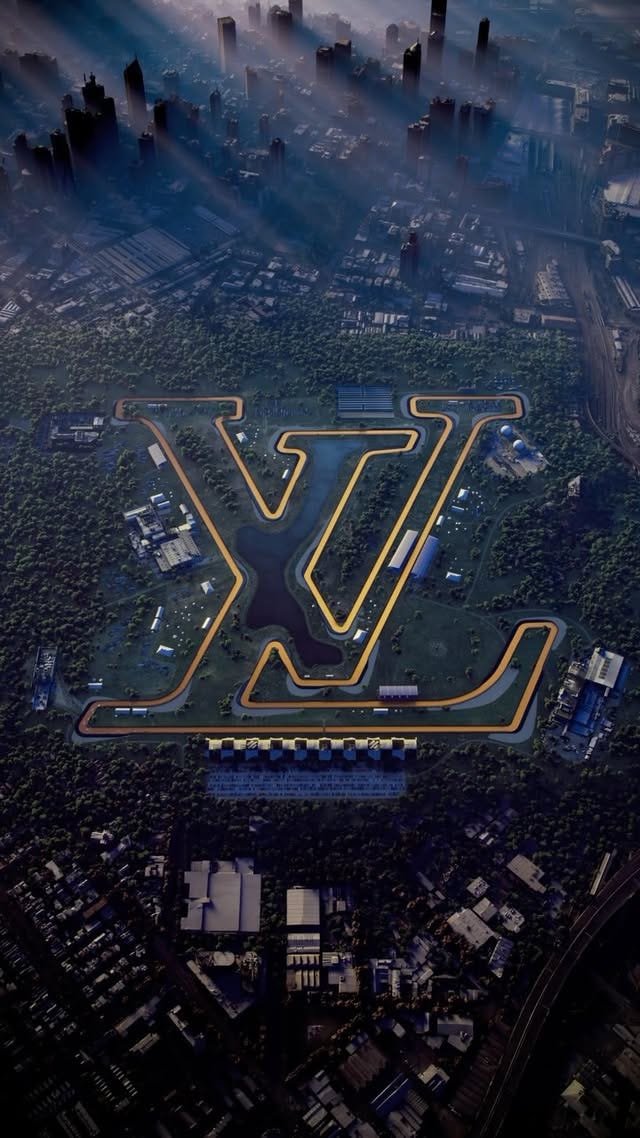
Beyond its visible presence across key international races, the collaboration includes an exclusive line of bespoke trophy trunks, which underscore the elevated status of both the sport and its champions.
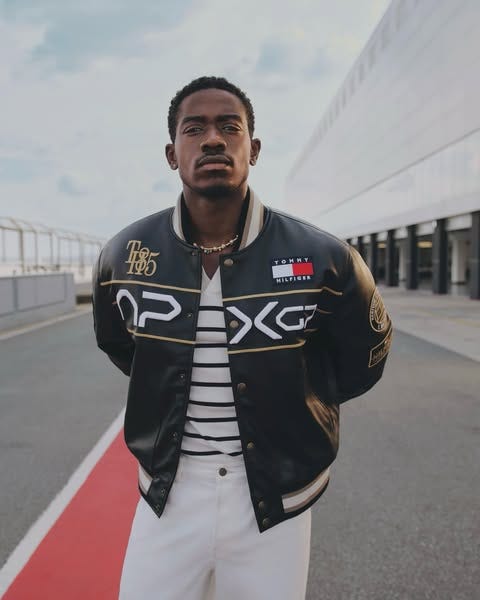
Another brand that recognised this synergy early is Tommy Hilfiger. Its longstanding relationship with Mercedes-AMG Petronas team has yielded collections that marry classic American design with high-performance aesthetics.
The brand’s latest limited-edition capsule, fronted by British actor Damson Idris (soon to star alongside Brad Pitt in Apple Studios’ forthcoming Formula 1 film), pushes this narrative even further.
Here, motorsport meets cinema, fashion and popular culture in a seamless blend. It is a strategy designed not only to celebrate racing’s inherent drama but also position F1 drivers as cultural icons for a new generation.
The new icons of aspiration
Today’s Formula 1 stars are as likely to grace the pages of Vogue as those of motorsport journals.
For younger fans, they embody more than just sporting excellence. They symbolise an aspirational lifestyle shaped by speed, performance, individuality and global sophistication.
This is the new F1: a sport whose cultural reach now extends far beyond the circuit.
The fusion of fashion and racing is no passing fad, but a blueprint for the future, where two worlds once seen as parallel now move in thrilling tandem.
If you enjoy reading the Pavilion End you can show some appreciation below 🍸